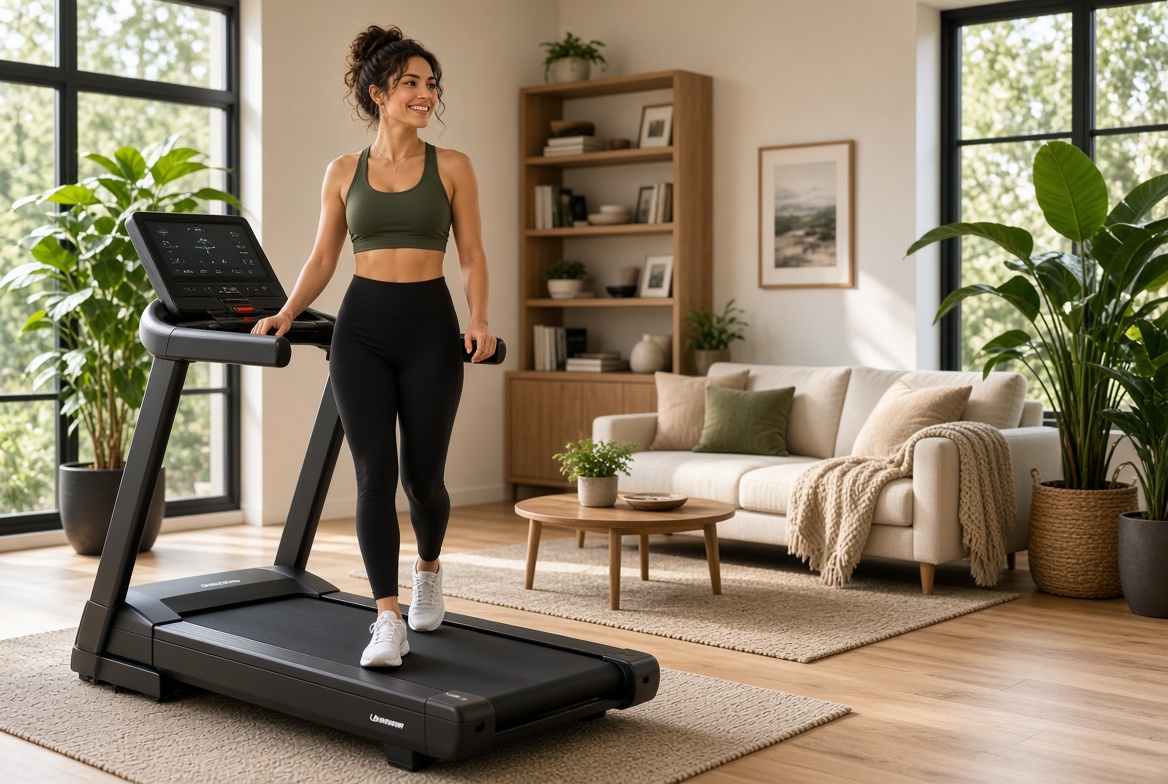
Motor power, without the marketing
The number that matters is continuous duty horsepower — what the motor can hold for a whole workout. Peak horsepower is a brief burst brands like to print on the box. A machine can claim 4.0 peak and still deliver closer to 1.5 continuous once you are twenty minutes in.
Walking and easy jogging are fine around 2.0–2.5 continuous. Serious running, or anyone over about 200 pounds, is happier at 3.0 or more so the motor is not working at its limit. Commercial gym motors start nearer 4.0 because they run all day. Heat is what ages a motor; an oversized one stays cooler and lasts longer.
Residential is not a lesser gym machine
Commercial frames are heavier and built for dozens of strangers a day. Home models are lighter, cheaper, and plenty for one household if the motor, belt, and warranty are honest. The useful middle is commercial-grade residential: stronger parts, still sized for a spare room. Weight capacity is a clue to the whole frame, not only who can step on it.
Warranties tell on the brand
Lifetime frame and a long motor warranty mean the company expects the machine to stay. One year on everything usually means they priced repairs into the sale. Before you buy, check who pays shipping on a heavy part, whether labor is included, and whether you must register within 30 days.
Space, folding, and the room you actually have
A “six-foot” treadmill still needs clearance behind you and room to step off. Folding helps in apartments when the lift is assisted. Cheap hinges get wobbly and heavy enough that people stop folding them. If the corner is permanent, a non-folding deck is often steadier.
Belt size is comfort and safety
Sixteen to eighteen inches is fine for slow walking. Running wants about 20 inches, and many people relax more on 22. Length matters more: 50 inches feels cramped once your stride opens; 55 to 60 inches lets you run without chopping your steps. Taller runners should prioritize length over a prettier screen.
Noise, cushioning, and incline
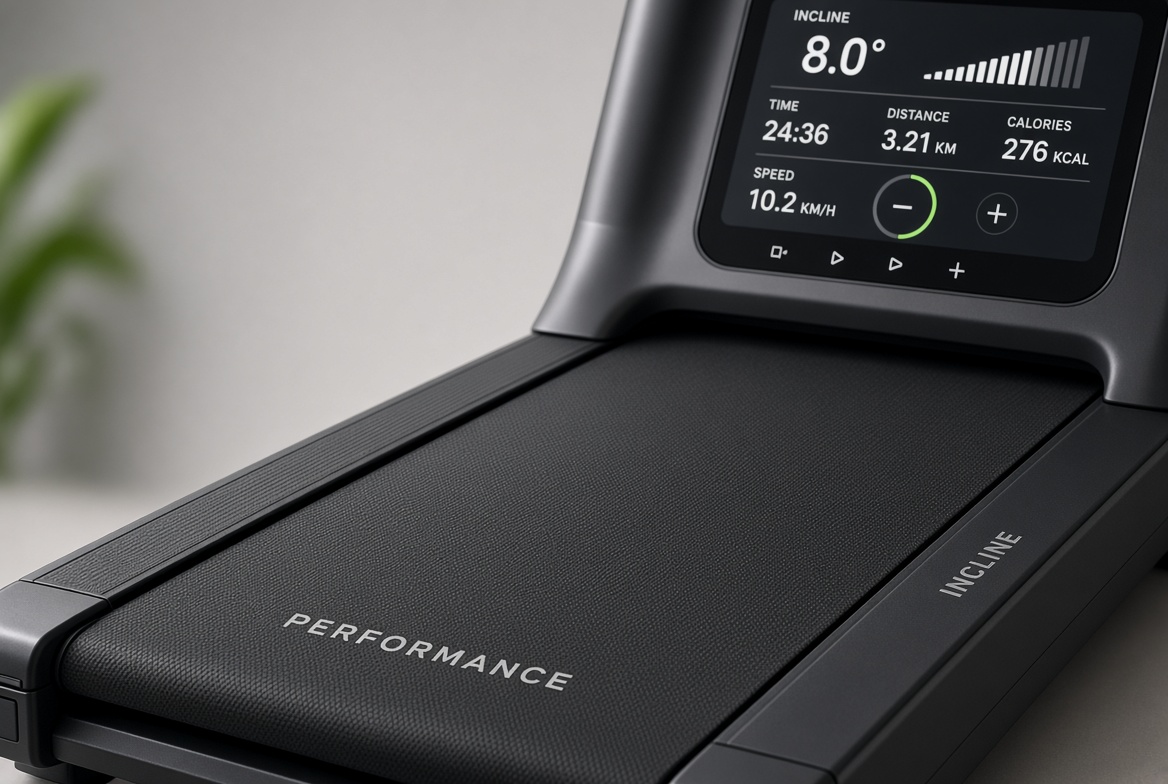
Quiet comes from a motor that is not straining, a lubricated belt, a heavier frame, and a thick mat under the feet. Cushioning should take the sting out of impact without feeling like a trampoline. Ten percent incline is already a real hill; fifteen percent adds variety for walking workouts that spare the joints.
What owners say
“The cushioning and space finally made indoor running feel natural again.”
“The wide deck and the warranty were the reasons I stopped shopping. It still feels quiet a year later.”
“I was skeptical of a sub-$1,000 treadmill. After 18 months of weekly runs, it still feels solid.”
A review worth watching
Questions people ask first
- What horsepower is enough at home?
- At least 2.5 continuous for walking. For real running, look for 3.0 continuous or higher.
- How long should the belt be?
- Fifty-five inches is the floor for comfortable running. Sixty inches is the sweet spot, especially if you are tall.
- Are expensive treadmills worth it?
- A well-built machine in the two-to-four-thousand range often outlasts several budget ones. Spend on motor, belt, cushioning, and warranty before you spend on a giant screen.
- Do folding models break?
- Assisted hinges from careful brands hold up. Thin manual hinges are the ones that start to wobble.